
Essential Vitamins and Minerals Explained: B12, Niacin, Calcium and Copper
Vitamins and minerals are the small nutrients that help your body release energy from food, build bones, support normal nerve function and keep many everyday processes running. This guide explains several essentials you will find in our Vitamins & Minerals range, in plain language.
Vitamin B12 (cobalamin)
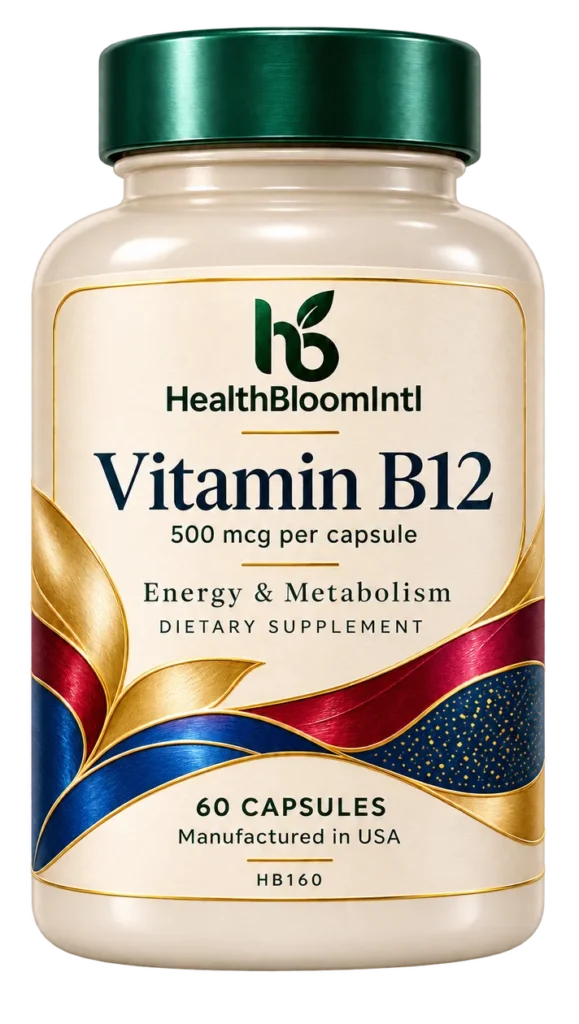
Vitamin B12 contributes to normal energy-yielding metabolism, normal nervous system function and the normal formation of red blood cells. It is found mainly in animal foods such as meat, fish, eggs and dairy, so people who eat little or no animal food often look at a supplement. See our Vitamin B12 product page for details.
Niacin (vitamin B3)
Niacin supports normal energy metabolism and normal skin and nervous system function. High doses can cause flushing, so follow the label and speak to a professional if you take medication. Explore Niacin.
Calcium
Calcium is essential for normal bones and teeth, muscle function and nerve signalling. The body absorbs calcium best in smaller amounts spread through the day, and vitamin D helps normal absorption. Calcium Citrate is a form that many people find gentle on the stomach.
Copper
Copper contributes to normal connective tissue, normal iron transport and normal energy metabolism. Because minerals compete for absorption, avoid taking large doses of zinc and copper without guidance. See Copper Glycinate.
Pantothenic acid (vitamin B5) and PABA
Pantothenic acid contributes to normal synthesis and metabolism of steroid hormones and normal mental performance. PABA is a B-complex related compound found in some multivitamin formulas. Both are available in our vitamins range.
How to take vitamins and minerals well
- Take fat-soluble vitamins (A, D, E, K) with a meal that contains some fat.
- Take iron and calcium at different times, as they can compete for absorption.
- Do not exceed the dose on the label.
- Store bottles in a cool, dry place and close the cap tightly.
Frequently asked questions
What is the difference between a vitamin and a mineral?
Vitamins are organic compounds such as vitamin B12 and niacin that the body needs in small amounts. Minerals such as calcium and copper are inorganic elements found in soil and water that also support normal body functions.
Is it safe to take vitamin B12 every day?
Vitamin B12 is water-soluble and commonly taken daily at label doses, but your needs depend on your diet and health. A healthcare professional can advise on the right amount for you.
Can I get all my vitamins from food?
Many people can meet their needs with a varied diet. Supplements are meant to complement food, particularly where diets are restricted or needs are higher.
Looking for imported supplements delivered across Pakistan? Browse the Health Bloom International shop, or if you run a pharmacy, gym or store, send a wholesale enquiry. Questions? Email info@healthbloomintl.com.
This article is for general education only and is not medical advice. Dietary supplements are not intended to diagnose, treat, cure or prevent any disease. Speak to a doctor or pharmacist before starting a supplement, especially if you are pregnant, breastfeeding, taking medication or have a medical condition.